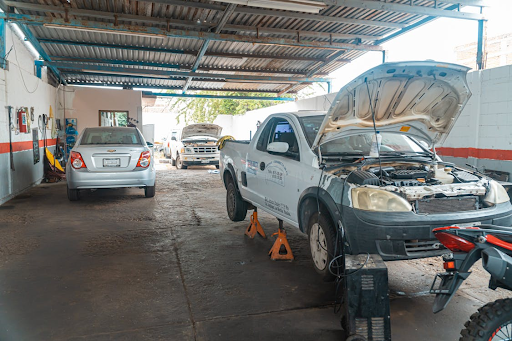
The automotive market in Arizona is quite competitive, and it is tough for any small enterprise to make a difference. However, there’s a way they can strive by using the correct strategy, using local prospects, building good customer relationships, and embracing innovation. Here is how small-scale automotive businesses in Arizona can get an edge and make a place in the industry.
- Embrace Local Marketing to Attract Customers
Local marketing is indispensable for small automobile businesses in Arizona. Optimize your Google Business profile and pinpoint local keywords to target, among many other local targeting methods. Create location-specific terms; for example, a leader in BMW of Peoria, AZ, service, can focus on this phrase or something that tells customers what the business is about.
Also, partner with local businesses or sponsor community events. These tend to build trust and visibility. Arizona residents very much appreciate businesses that give back to the community, so be one that is invested in it.
- Offer Personalized Customer Service
In a competitive marketplace, customer service may well be your differentiator. Independent small automotive businesses hold an ace in the sleeve – they are in a position to extend personalized service with a human touch, which often is beyond big competitors.
You also listen to your clients’ needs, offer them tailor-made solutions, and follow up after services are offered. Simple things such as remembering recurring customers or giving them flexible scheduling will go a long way toward achieving some kind of loyalty in the long term. Obviously, the happy client is willing to recommend your services to friends and family. Your business will thrive when you master modern word of mouth.
- Adopt Technology to Stay Ahead
Stay competitive, stay innovative. Invest in modern tools and technologies to facilitate core operation processes. Modern software performs well in appointment scheduling, customer communication, and inventory.
Also, consider offering online services such as booking online or making mobile payments. These will appeal to today’s customers, who seek businesses that appreciate their time. By incorporating technology, you will streamline operations and enhance the customer experience.
- Focus on Niche Services
Specialized services make it easier for customers to compete with larger automotive businesses. Identify gaps in the market that larger competitors may not cover. For example, expertise in luxury car repairs or eco-friendly vehicle servicing may appeal to a targeted audience. Focus on your niche in marketing your services to attract customers who prefer companies specializing in solving their specific problems.
- Build a Strong Online Presence
Going online is no longer an option, but a necessity. Ensure your website is professional, easy to use, and mobile-friendly, displaying clear details of services offered, their prices, and your contact information. Facebook and Instagram are powerful tools for brand reputation growth. They offer opportunities for maintenance tips, online work, and customer communication, fostering better audience relationships.
- Prioritize Competitive Pricing and Transparency
Pricing is often the determining factor with customers. Research your competitors to ensure your rates are competitive while still profitable. Transparency is just as important: clearly communicate costs, timelines, and warranties upfront to build customer trust. Offering discounts for first-time customers or loyalty programs can significantly increase customer acquisition and retention.
Conclusion
Arizona’s small automotive businesses compete by emphasizing strengths, novelty, and catering services to customer needs. With combinations of local marketing, personal interaction, and strategic investments in the industry, even the tiniest ones can be successful. The future is bright for Arizona’s small automotive entrepreneurs – just stay adaptable and customer-centric.