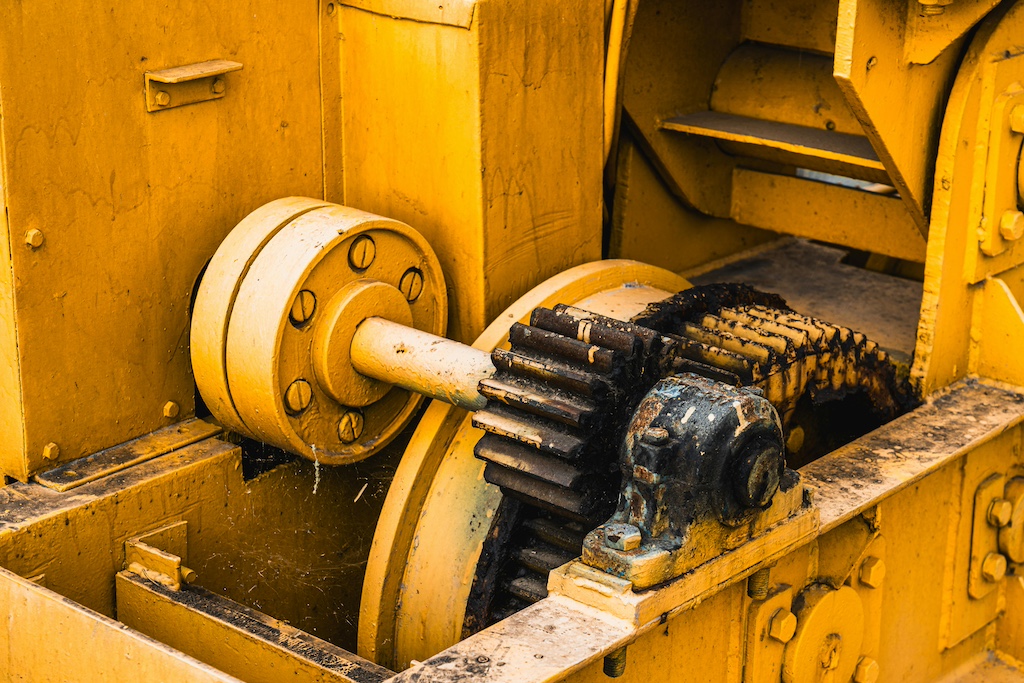
Look around you at the things that have been built. You will see hydraulic power almost everywhere. The excavator that is digging a hole for a foundation. The garbage truck that is squeezing a week’s worth of trash. The airplane that is pulling its landing gear up into its body. The hospital bed that is moving to the position a patient needs. Hydraulic engineering is one of the technologies that modern society is based on, and most people walk past it many times a day without even thinking about it.
How Do Hydraulic Systems Work?
The basic idea of hydraulics is really simple. Pascal’s Law says that when you put pressure on a liquid that is in a closed space, the pressure goes everywhere equally. When you use force on an area of liquid in a closed system, you can make a much bigger force happen somewhere else in the system. This is what makes hydraulics so powerful. A small pump can make thousands of pounds of force using parts.
The Main Components of a Hydraulic System
The main parts of a system are a pump, a tank for the fluid, the hydraulic fluid itself, valves that control the flow parts that move when the fluid pressure is applied and the hoses or pipes that connect everything. The pump pressurizes. The valves tell the fluid where to go. The moving parts turn the pressure into movement or force. The great thing about the system is how all these parts work together to move and multiply force in a reliable way.
Applications of Hydraulic Systems
There are ways that hydraulics are used in industry. In factories, hydraulic presses shape metal parts with a lot of force that no other kind of press can match for the cost and size. In construction, every hydraulic equipment manufacturer powers machines like cranes, excavators and bulldozers. In farming tractors, they use hydraulics to run attachments like loaders and handlers for bales of hay. In the aerospace industry, hydraulics control the parts of the plane that make it move the landing gear and the brakes.
The Value of Fluid and Quality Parts
The hydraulic fluid is an important part of how well the system works. Different uses need kinds of fluid that can handle different temperatures and work with the materials in the system. Keeping the fluid clean and using the kind is one of the most important things to do to keep the hydraulic system working. If the fluid is dirty or broken down, it can make the parts of the system fail.
Every company that uses machines depends on the quality of the parts. A good hydraulic equipment manufacturer provides not the machines but also the engineering help, documents and guarantees that companies need. When hydraulic machines are not working, it can be very expensive. So, it is worth paying more for equipment that works consistently and parts that’re available when needed.
Like Everything Else, Technology is Changing Hydraulics
As technology gets better, hydraulics are getting better too. Electro-hydraulic systems combine power with electronic control, which lets them be more precise and programmable, than old mechanical systems. There are also systems that use both hydraulics and electricity to make heavy equipment more fuel-efficient.
Hydraulics may not be exciting, but it is a very important field. The world’s infrastructure, food supply and manufacturing all depend on hydraulics working every day. Hydraulic engineering is what makes all these things possible. The hydraulic systems are what keep everything running smoothly. Without power, many things would not be possible. Hydraulic engineering is the foundation of society!
Also Read:
How Can Small Automotive Businesses Compete in Arizona?